

Routine is a deeply helpful concept. From routine we build structure and systems that work for our goals as business owners, for staff, and for future brand direction. We need a routine for growth.
It only becomes harmful when routine becomes a word in place of rigidity. And what typically follows is a misunderstood concept of optimization taking the reins. You begin to prioritize fast output and processes for your brand over the best output and processes. Mistaking that optimization means faster in a systematic routine. Some might find that they are so caught up in going fast that they never question what they are getting faster at.
Let’s be clear though, being fast, having great systems, and high quality output is amazing if aimed in the right direction. But what’s been forgotten in this overly ‘optimized’ age is building the capacity for innovation in a routine. Yet, with optimization’s definition being ‘the action of making the best or most effective use of a situation or resource’, is not making the best of a situation also improving upon it with ideas unconsidered before?
It seems innovating has become a lost art in the optimization generation. A forgotten key element of making the best most effective use of a brand and its systems, products and services.
So, have you left any room in your optimized business routines for thinking outside of them?
What is innovation then?
The word ‘innovation’ is derived from latin, innovare, meaning to renew or make new. Focusing on ideating creative out of the box concepts, into practical and applicable solutions. Innovation goes past thinking of a cool idea. It considers the systems of creating innovative solutions, implementing it and how it helps others.
As a brand discipline
Practicing innovation in your brand means implementing a very mindful approach. Making it a point to take steps back regularly and observe your current practices with products, customers, systems and see how they work. Keeping an eye out for potential problems or for areas unconsidered that can be made new or added in.
Which means going outside of your comfort zone frequently and being willing to scrap a lot if it doesn’t work.
Innovation as a brand discipline does not look like sitting in a room and thinking up cool ideas that refresh you to only push it off to some random small team and then to move on to the next big thing as it comes by.
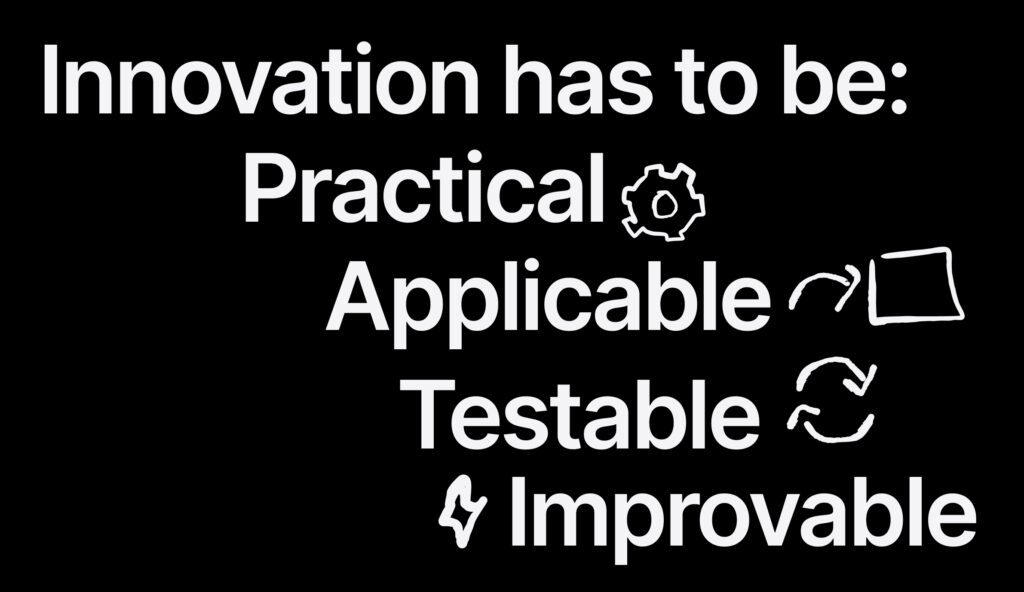
Innovation is intentional, systematic and built upon not only applying it: but testing it and improving on it. Do your best to not get shiny object syndrome, otherwise innovation is an outlet of expression versus the creation of new solutions.
At its core, this process makes your routines better. It is the hidden cog of optimization that actually makes the other systems run better, more effectively and helps you achieve greater growth capacities.
Slowly shrinking away practice
Fake optimization culture has been killing innovation. Optimize the process, the bottom line, the team, faster, more and more. All cool in concept, but when you forget the activity of innovation you can easily become locked in a mode of thinking optimizing your business means making it easy and fat. And here’s the kicker: is not making something optimized also making something new and better, rather transformative?
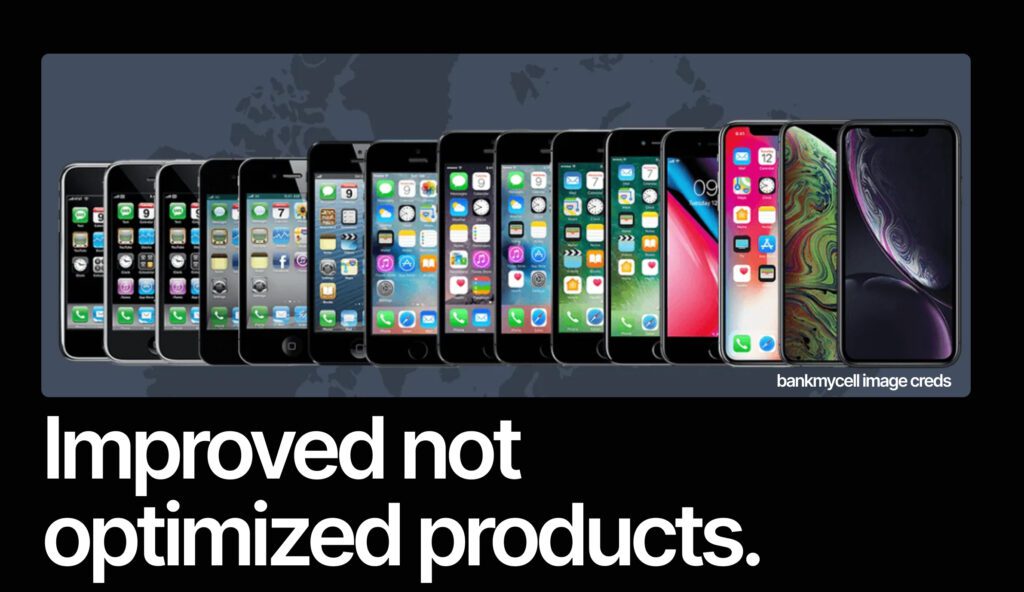
Once leaders in innovation, Apple has dropped the same phones and concepts for the last ten years much to everyone’s disappointment. Numbers are dropping. With its stock having its longest losing streak recently and an expected 8% drop in iPhone purchases in 2026. They’re optimizing without innovation, which is a dead end. Better camera, thinner phone, cooler colors– a snake eating its tail.
Innovation might seem inconvenient to you. “I have to make time for potentially breaking all my systems and rebuilding them again…ugh!”. On the surface, maybe it comes off as against the bottom line and your goals.
But when you don’t innovate in your little ‘optimizations’, you build your irrelevancy instead.
How it can help you
Innovation accounts for your brand’s future, its relevancy, and its capacity to help more people. From ideating new products. To create new ways of fulfillment. Maybe redesigning your retail space to optimize for true customer experience.
Daring to create the things that have never been made before is what separates businesses that last from businesses that burn fast. Innovated ideas and solutions obviously have to work though, for this to be a reality of it helping you.
You can ‘innovate’ yourself into a hole. If doing it improperly. Remember, a foundational part of innovation is thinking about what solutions people actually need and testing it. Revising it, making it better.
The wisdom to know where, when and how to innovate comes hand in hand with optimization and routine. Using routine as a foundation to view gaps and build bridges, see what’s working and ponder improvements. See what’s missing and add in elements. You get the gist.

Ask yourself
Think about this seriously, where have you stopped accounting for innovation? Are those places actually the best they can be?
I would imagine the answer is no, or hard to admit ‘no’. If it ain’t broke, don’t fix it I suppose. Because systems seemingly work now, doesn’t mean they’ll work later.

And maybe ask these questions too:
What is the customer fulfillment experience?
Could I make time to ask a customer and pay them to explain their experience with our brand and hear their feedback?
What is it that I actually do at a baseline, and is it the best for my audience?
What areas of my business I know need improving, but I’ve been pushing aside?
What parts of my routines and systems make it hard for me to innovate?
What changes can I implement that make building new things easier?
Let your answers guide you to what you are going to do next.