

We remember what resonates. And brands cannot resonate without connecting to us first.
What is a ‘brand discipline’?
It’s simply a behavior you follow in your branding framework. Our Human Branding Framework suggests seven pillars compose great brands, and two important pillars are beliefs and behaviors. A brand discipline would fall under a belief you have, and an action you follow up with in your brand behaviors (because it’s not your belief if you don’t actually do it).
What a brand does in practice of their beliefs is just as important as what it looks like and sells. There are plenty of modern looking businesses who can sell you something cool. It doesn’t mean they care about you, are committed to helping you, or want to connect with you.
We can see businesses who appear the same, sell the same things yet one outperforms the other. Assuming they sell to the same market with the same marketing plan, what do you think is the major differentiator?
Your brand disciplines will determine your growth and longevity in changing markets. For now, let’s focus on ‘connection’, why it matters and what you can do about it
Importance of connection
We are not transactional beings only. Human beings by nature are geared towards connection. It was a core part of survival mechanisms for our ancient ancestors, and a core part of how we live our day to day lives today.
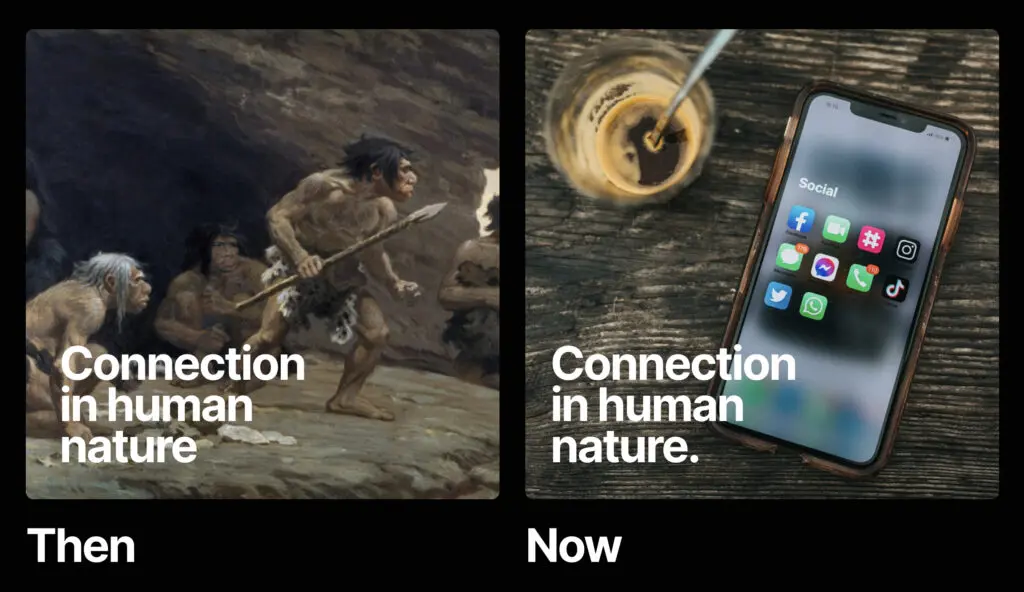
If done carefully, connection from a brand to a customer allows for barriers to come down. Which builds trust in a world unfortunately geared toward skepticism. That also means you have to mean it- when connecting I mean. People can tell when you’re doing it for the reward versus for the sake of it.
Real connection with your audience builds brand advocacy, too. Coincidentally, when we can connect with a brand, we want to share that connection with our… other connections. Such as family, friends, and coworkers.
Having it as a brand discipline means a few things are required of you:
It has to be done authentically, as your brand is.
Don’t try to fake connection by being something you’re not as a brand. Large brands overestimated how cool they would come off when starting to spam posts on twitter. Now, you’ll see it happening with tons of backlash.
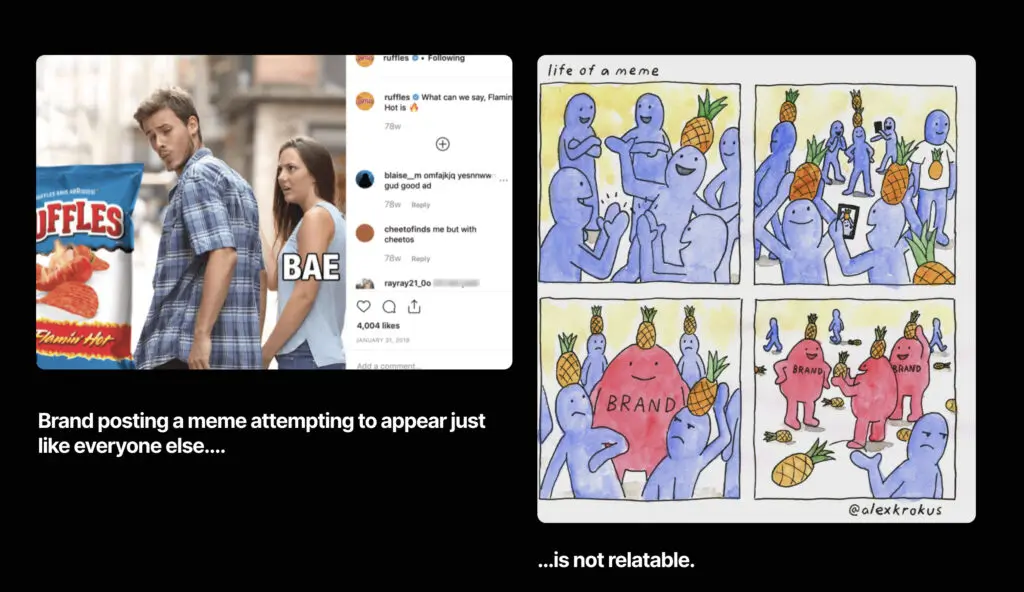
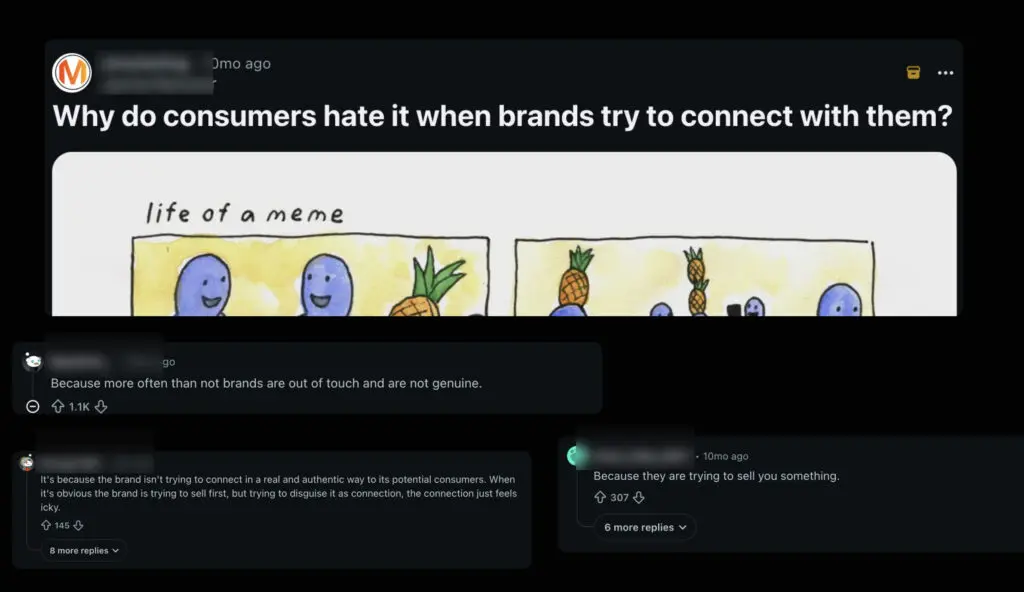
Consumers assume it’s being done so that you can increase your wallet size. They see through the act, and prefer brands and creators that are being themselves.
Great experiences should be geared toward personalization.
Things that your company does to connect with consumers should naturally be personalized. There’s a time to speak to your general audience as one community- which is great.
For the most part though, touchpoints should increase the chance of personalization. The simple act of addressing a customer by name and remembering one thing about them, could create a lifetime fan (if paired with a good experience).
It has to become a routine.
Any brand behavior has to be something completed routinely. As stated prior, it’s not a belief if you don’t actually do it consistently. And that’s the whole point of discipline.
Find areas where you can systematically approach this, versus just making one off instances. It’s not impersonal to make it something scalable because you care about it.
What’s happening right now
The demand for personal connection is coming. People are tired of impersonal brands and businesses pretending to care. Nobody wants to feel like you see them only as their wallet. Or as an opportunity to create passive income.
Social media, websites, and any marketing methods will soon become avenues of connecting with people again authentically. The influx of AI generated content and systems has created a pendulum swing for offline activities as well.
Businesses paying attention will start to prioritize those very things.
What are ways you can connect with your audience?
We’ll keep it simple by providing a list of items that you can think about for yourself.
Inspired by things we think could work, or things that our most successful clients do that you can learn from:
Be the person to pick up the phone, not AI or answering machine.
Handwrite thank you cards with orders that you receive.
Get involved in your community as a business.
Host in-person events.
Listen when they speak and have empathy*
Answer your audience’s questions on a livestream.
Create small classes on what you do.
Post online as yourself, show your face.
Hold giveaways and fun contests.
Feature real customer stories on your website or social media.
Have a website that speaks to your audience, not at them.
Give away free things just because.
Offer insights to people who ask.
Tell stories online.
Get user feedback in a real way.
Implement user feedback… ‘you spoke, we listened!’.